Motorola Two-Way Radios
-

 Select Options This product has multiple variants. The options may be chosen on the product page

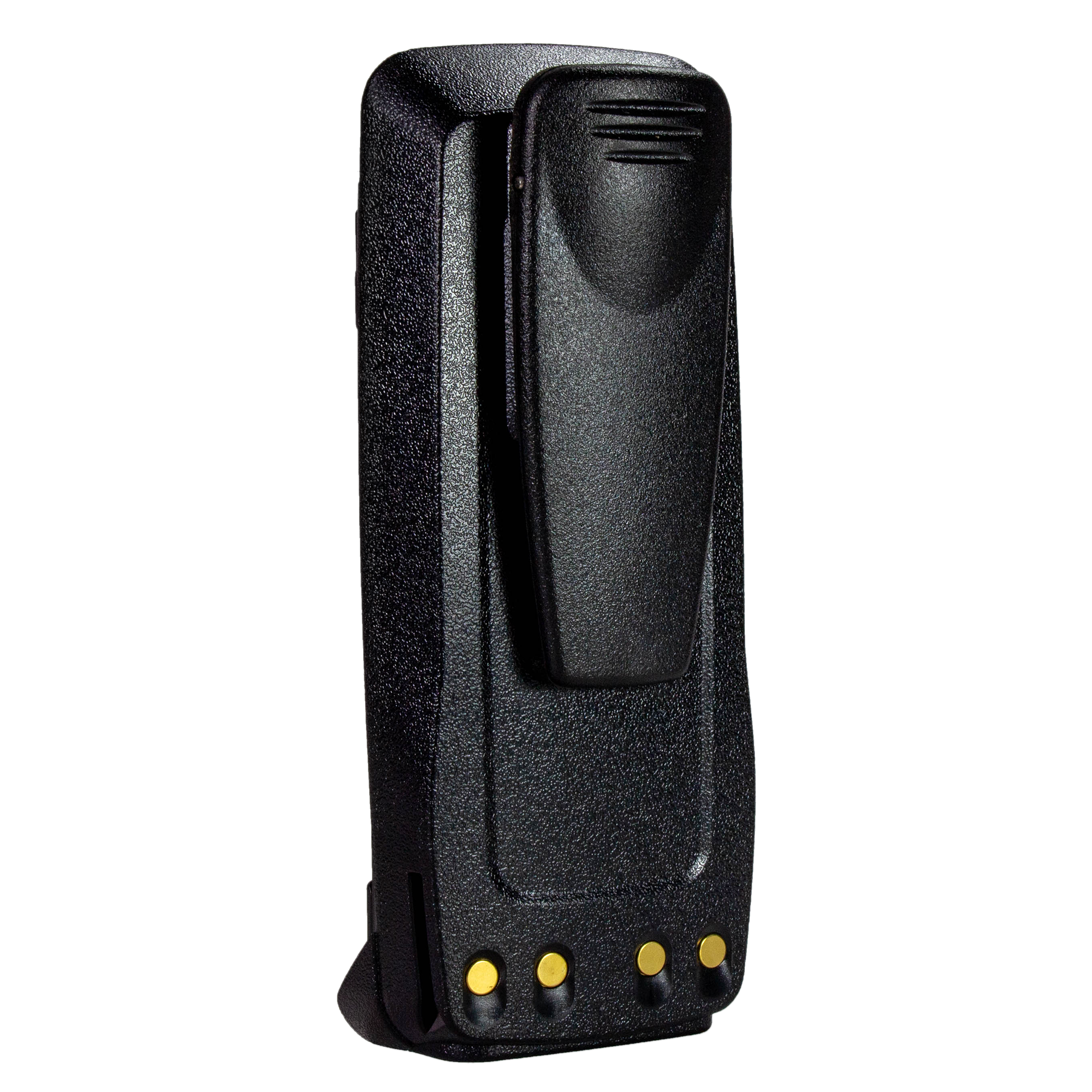
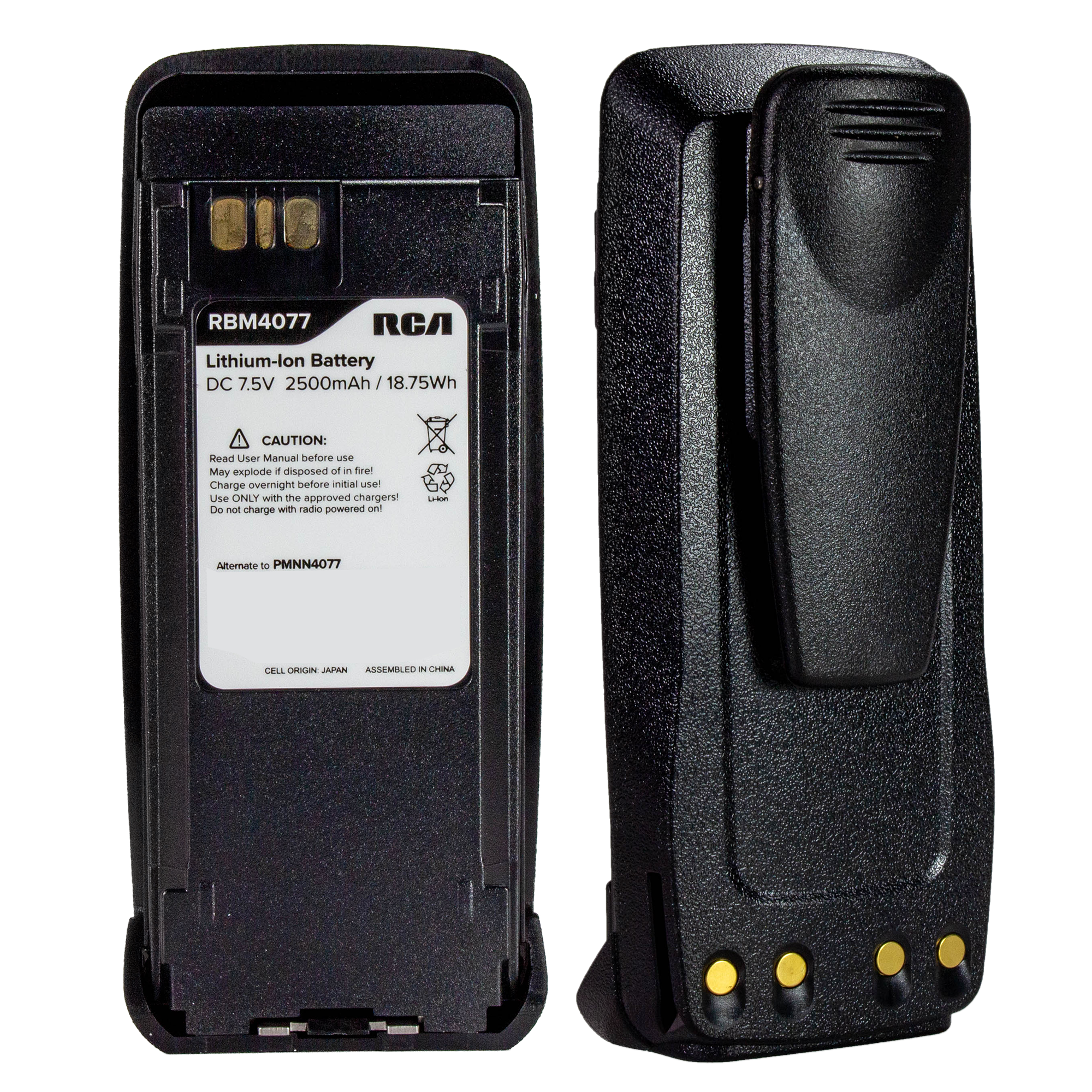
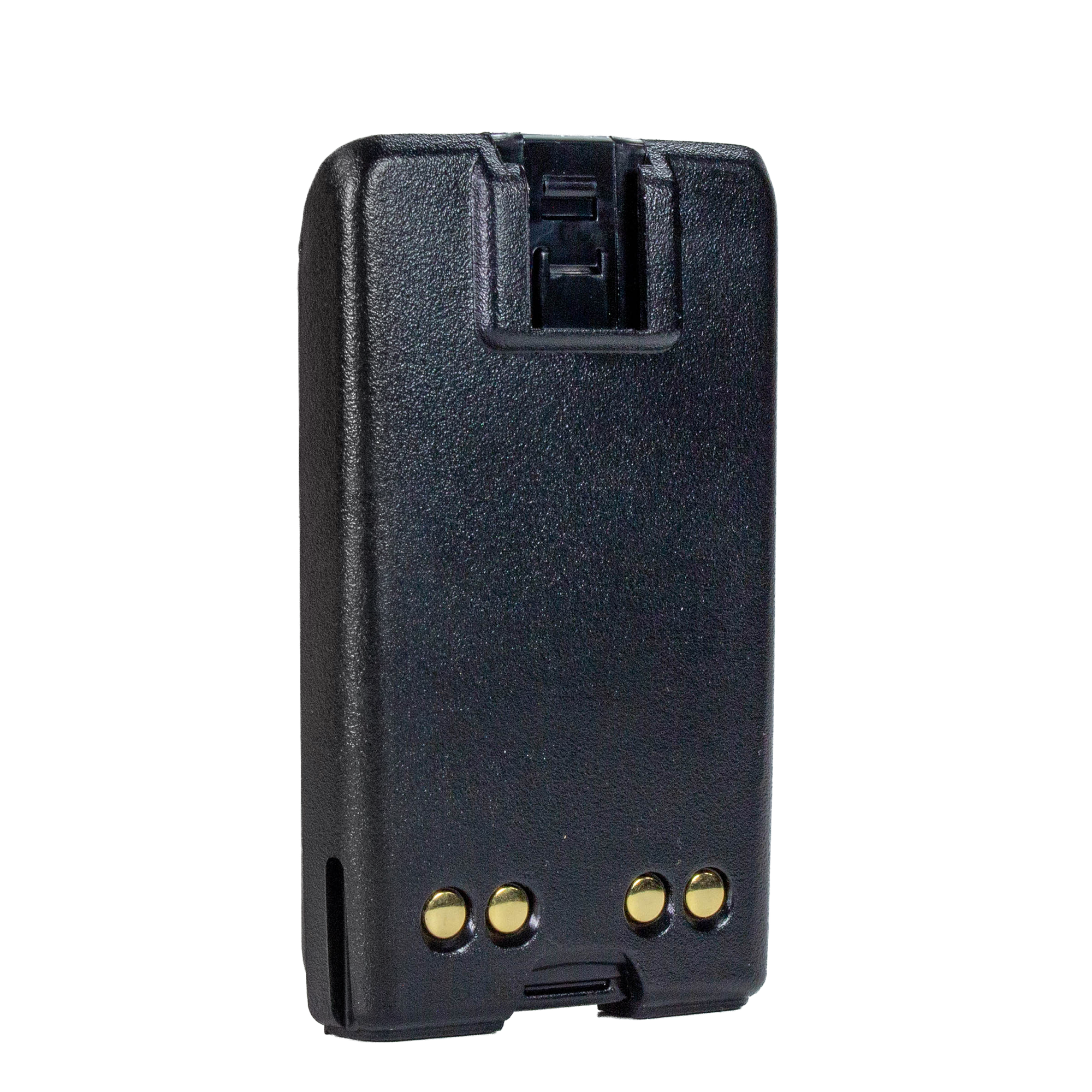
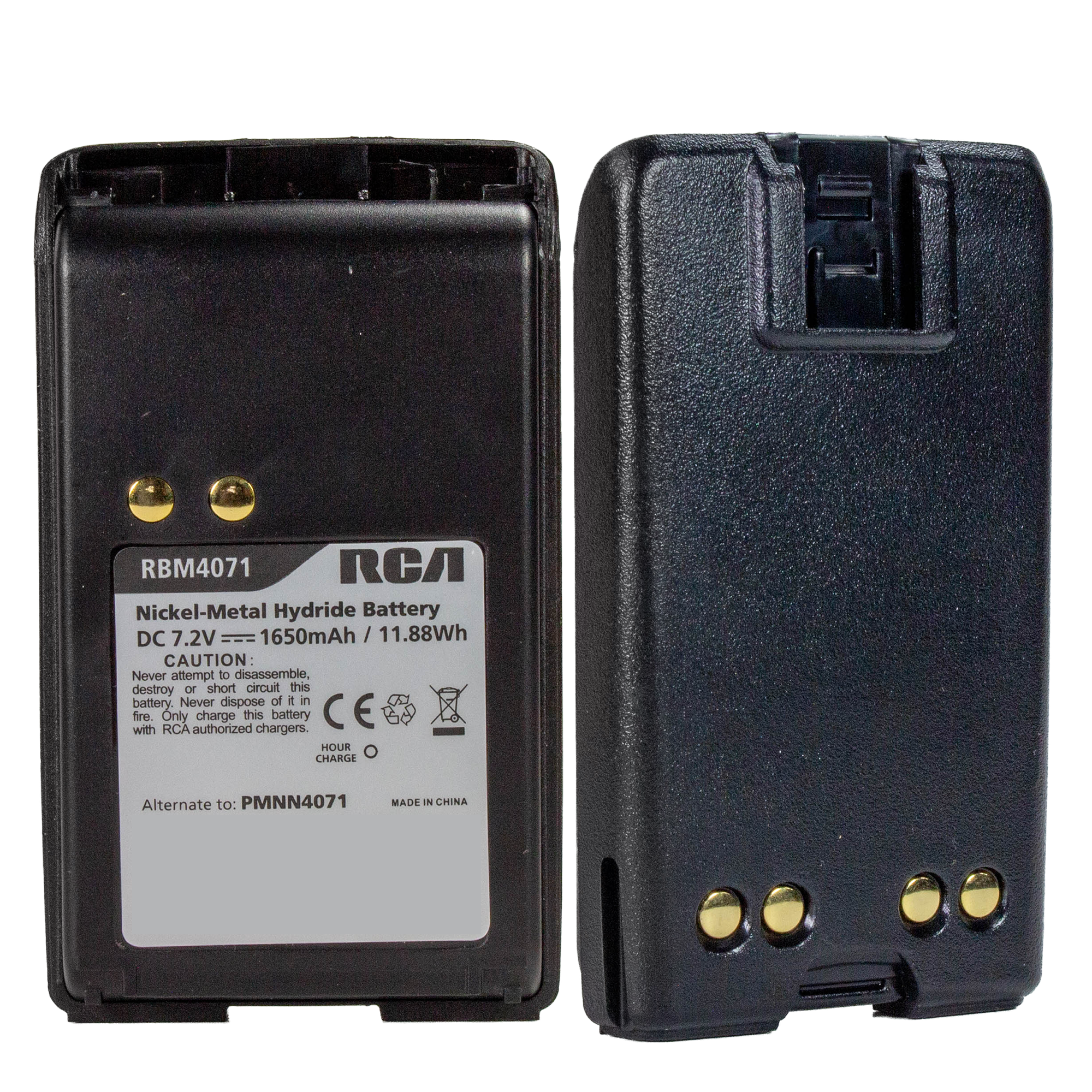


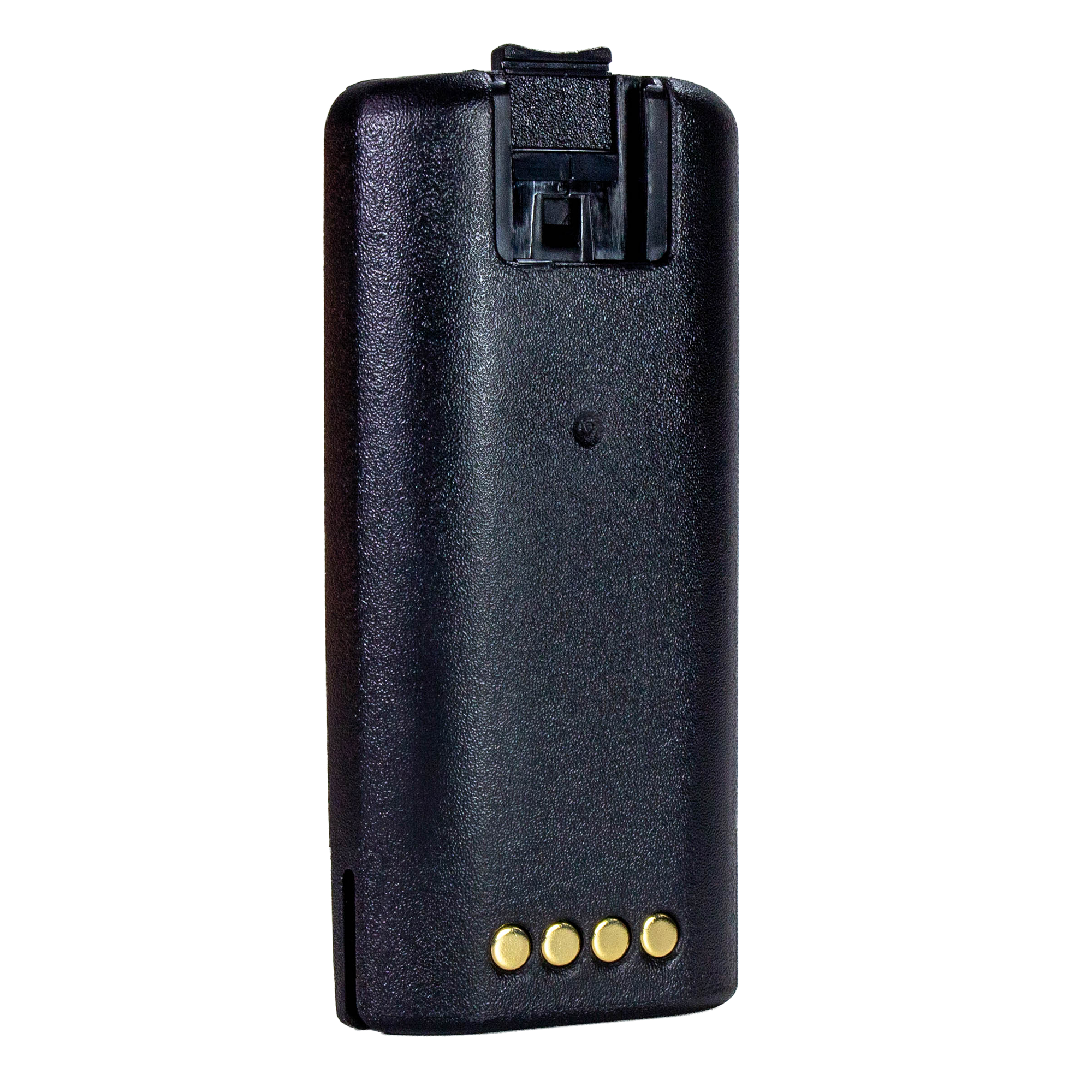
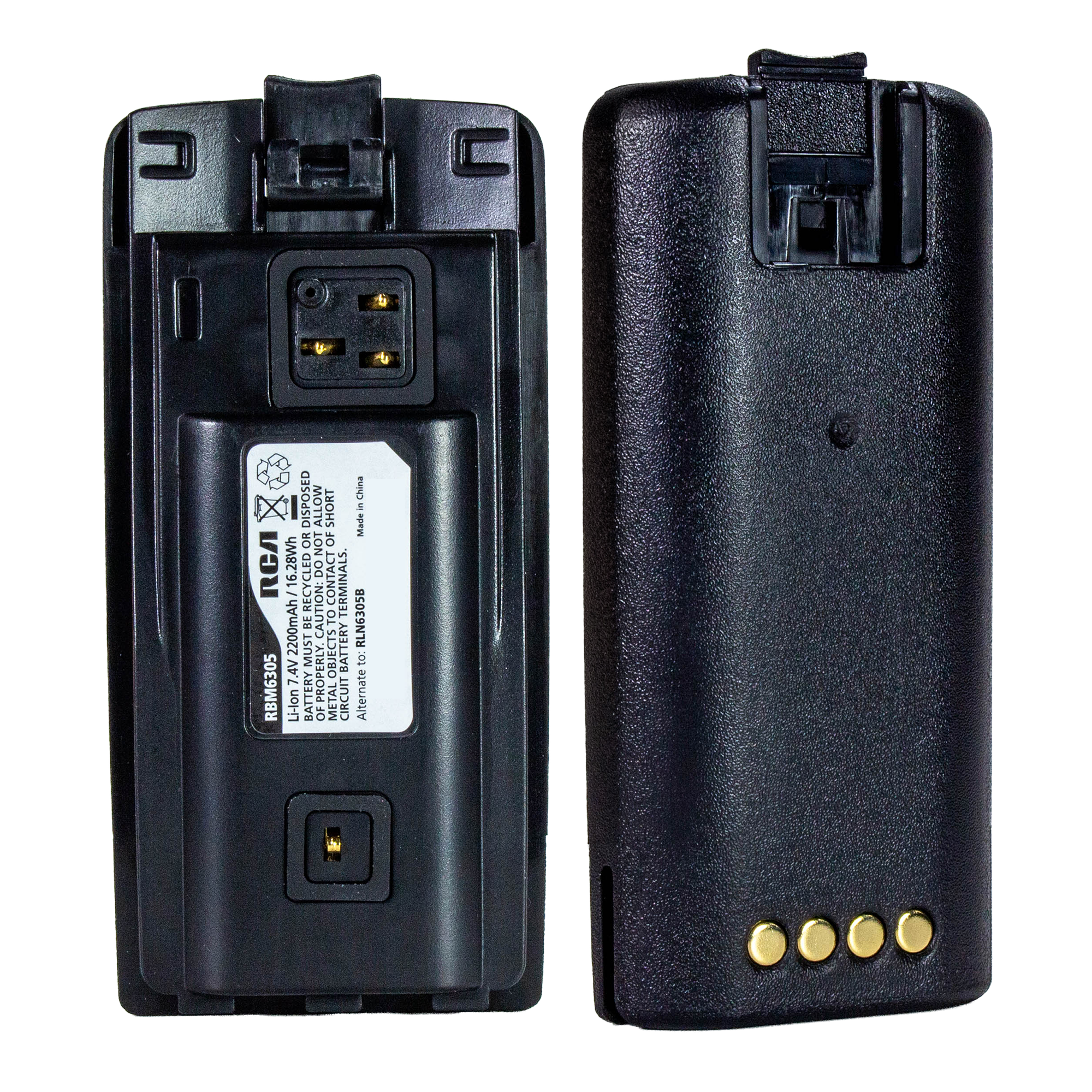
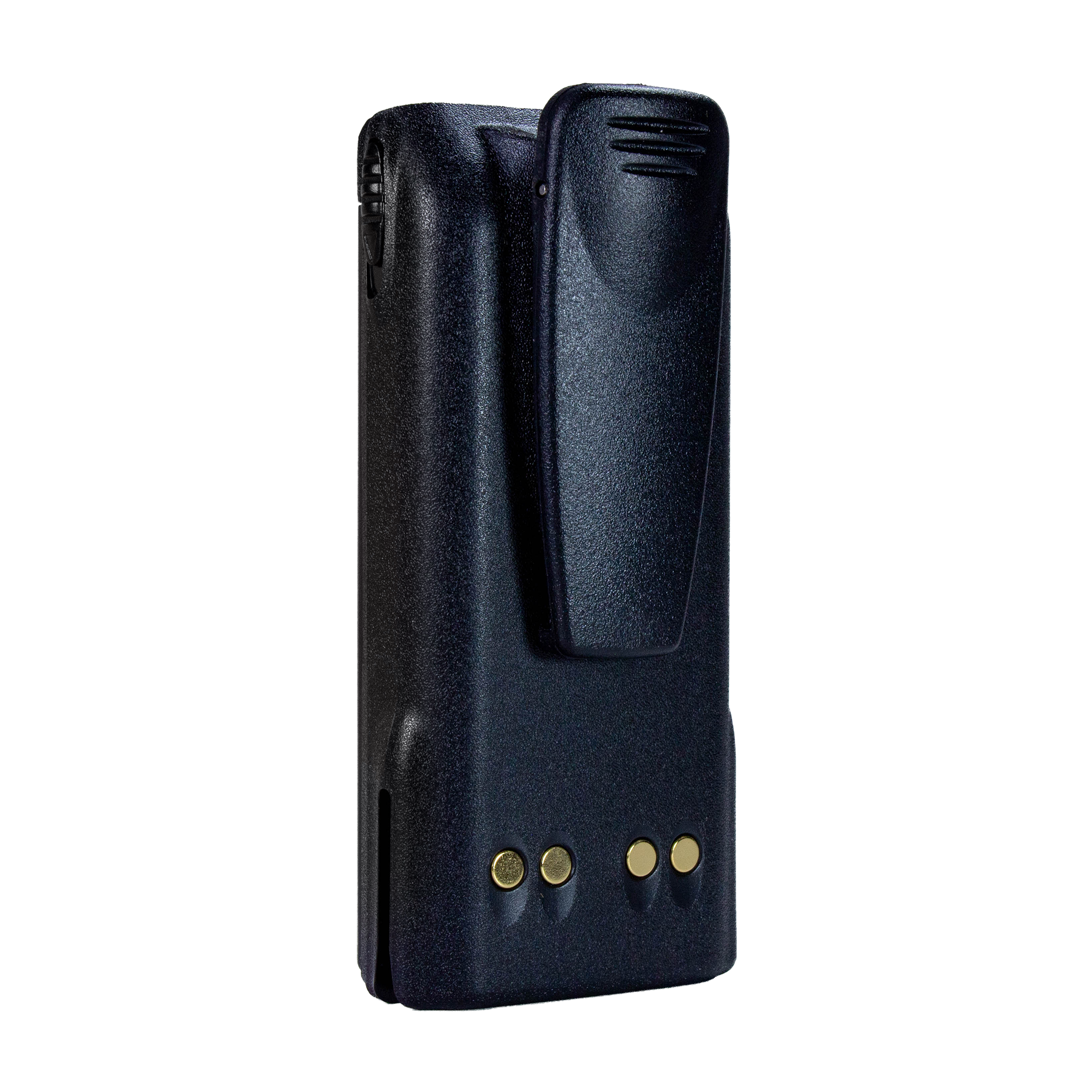
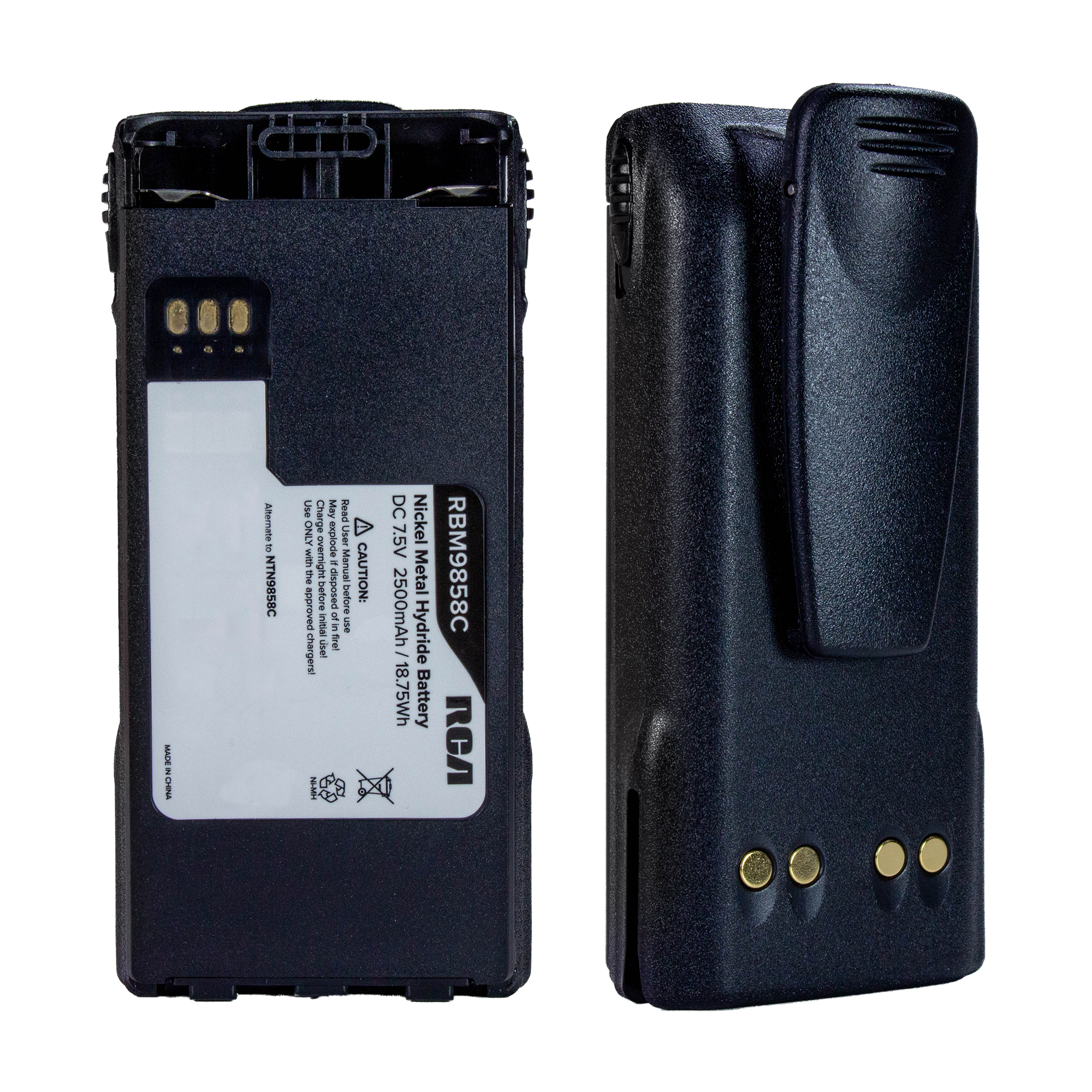
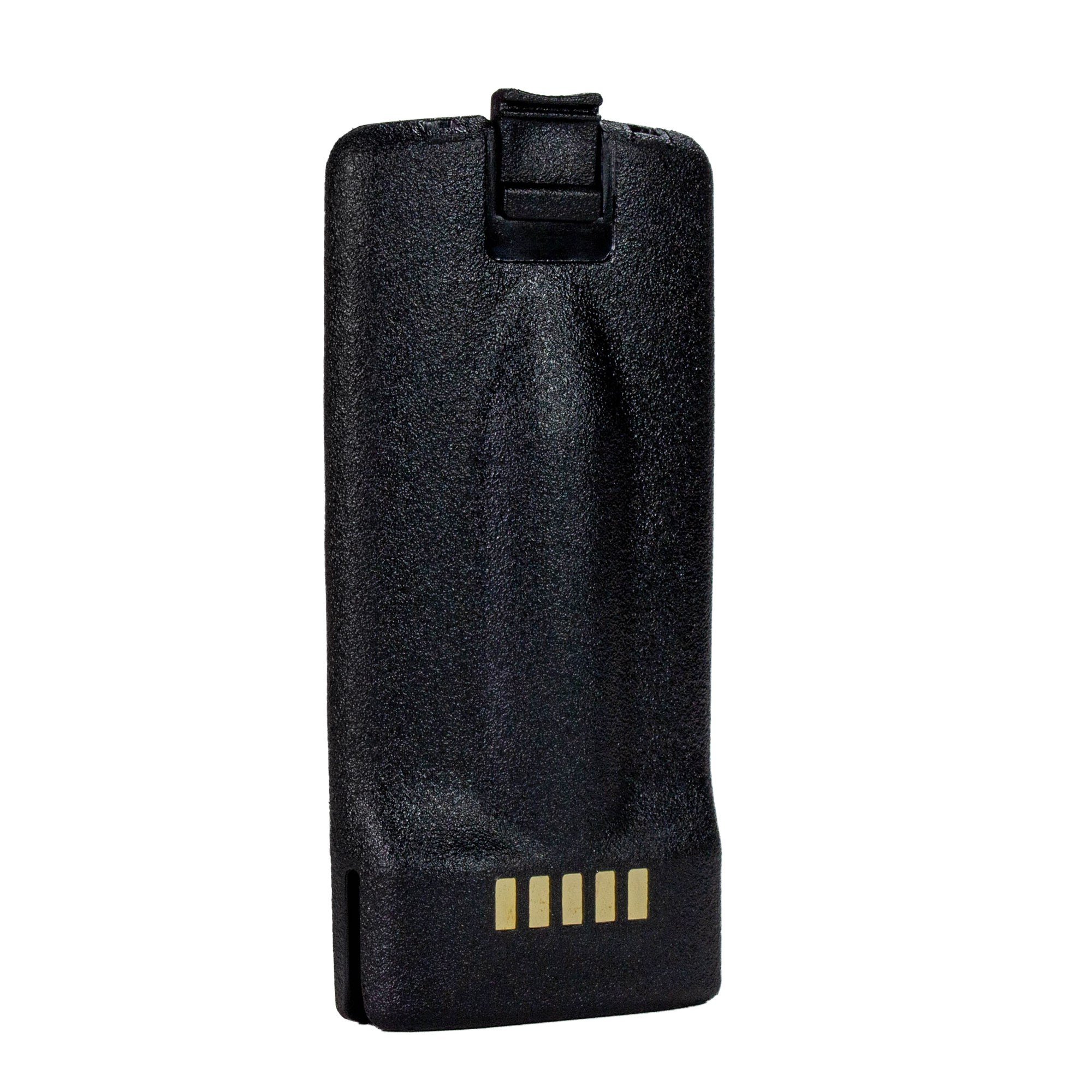
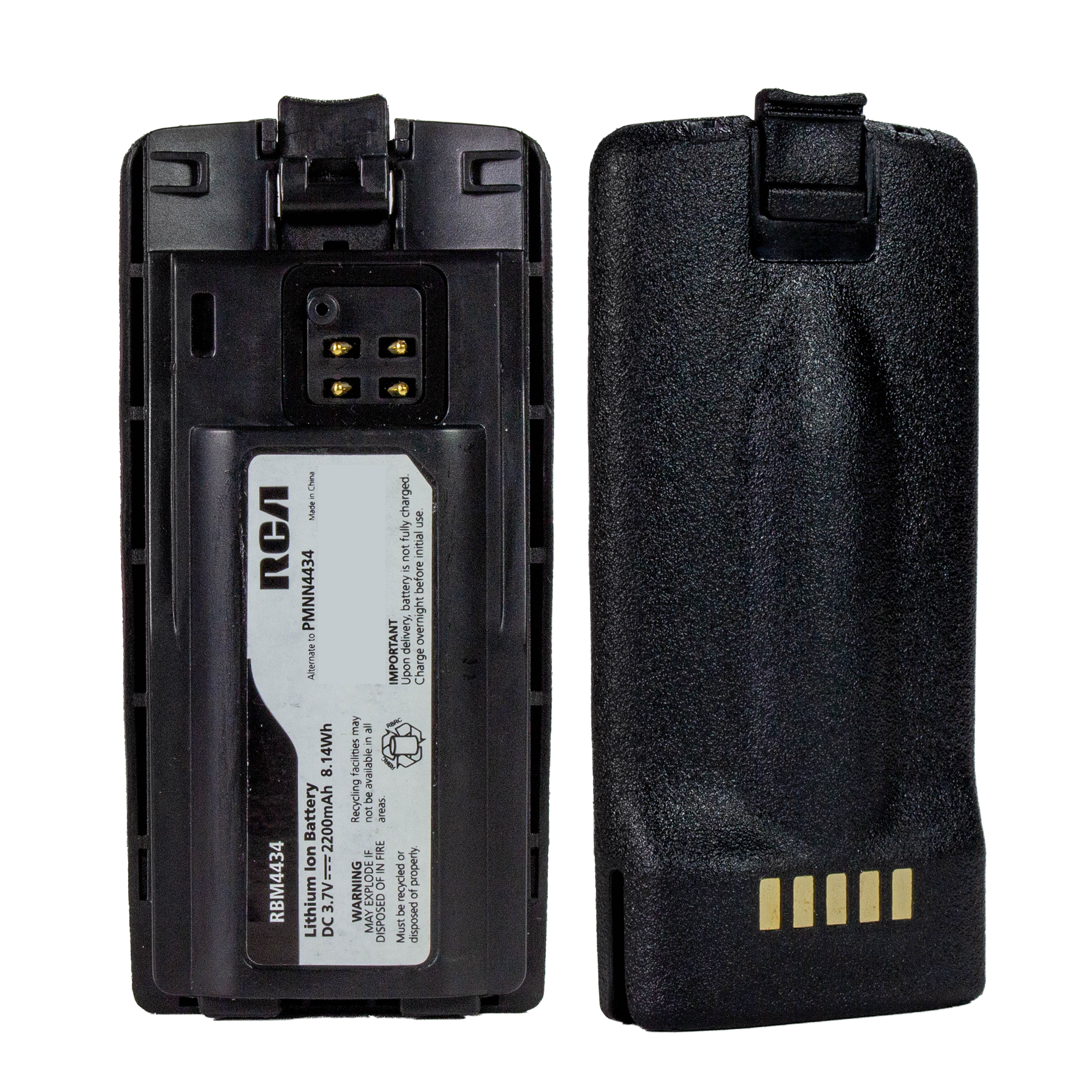
Showing 1–12 of 50 Products
Motorola Solutions has been building professional communication equipment for over 90 years. That kind of track record matters when your crew is spread across a job site, your security team is managing a campus, or your hotel staff needs instant coordination between floors. Motorola radios are trusted by businesses of every size because they deliver clear audio, solid construction, and proven reliability in the field.
At Discount Two-Way Radio, we carry a full selection of Motorola replacement batteries, chargers, and accessories. We also stock RCA accessories that are compatible with many Motorola models, giving you more affordable options without sacrificing quality. With over 15 years in the industry, same-day shipping on most orders, and a 90-day warranty, we’re here to help you find the right Motorola radio for your operation.
Browse our full catalog of handheld two way radios, batteries, and chargers above, or call our team at 866-986-2321 for expert recommendations.
Popular Motorola Radio Models
Motorola’s product lineup covers everything from entry-level business radios to mission-critical public safety devices. Here are some of the most widely deployed models and what makes each one worth considering.
Motorola CP200d
The CP200d is one of the most popular Motorola two-way radios ever produced. It operates in both analog and digital modes, which makes it a great transitional radio for organizations moving away from analog systems. It’s compact, durable, and simple to program. You’ll find CP200d radios in warehouses, on construction sites, and inside retail stores across the country. It’s best suited for small to mid-size teams that need dependable day-to-day communication without a steep learning curve.
Even though many large CP200d fleets have been discontinued, businesses can still expand existing systems with RCA-compatible radios that integrate smoothly without paying for full Motorola replacements.
Motorola XPR 3000 Series
The XPR 3000 series fills the gap between entry-level and enterprise Motorola radios. These digital two-way radios support TDMA technology, which doubles channel capacity on a single frequency. That’s a real advantage for growing organizations that can’t afford to add more frequencies. The XPR 3300e and XPR 3500e models are popular picks for property managers, school districts, and mid-size operations. They’re rugged, IP67-rated for dust and water resistance, and built to handle daily abuse.
Motorola XPR 7000 Series
The XPR 7000 series is where Motorola’s commercial lineup gets serious. These radios feature full-color displays, Bluetooth audio support, integrated GPS, and over-the-air programming. The XPR 7550e is the top seller in this family, and it’s a favorite among security teams and facility management groups. If you need advanced features without going to a public-safety-grade radio, the XPR 7000 series is the right call.
Motorola APX Series
The APX series is Motorola’s flagship line for public safety and mission-critical applications. Models like the APX 6000, APX 7000, and APX 8000 are used by fire departments, EMS teams, and law enforcement agencies nationwide. These radios support P25 Phase I and Phase II trunking, AES 256-bit encryption, and multi-band operation. They’re built to MIL-STD 810 specifications. If your agency requires certified interoperability and top-tier audio clarity in hazardous or high-noise environments, the APX series is the standard.
Motorola BPR40
The BPR40 is a budget-friendly Motorola two-way radio designed for light commercial use. It’s compact, straightforward, and runs on affordable alkaline or rechargeable batteries. Restaurants, small retail stores, and event venues often choose the BPR40 because of its low price point and ease of use. It doesn’t have the feature depth of the XPR or APX lines, but for basic push-to-talk needs, it gets the job done.
Motorola Radios by Industry
Different work environments demand different radio capabilities. Here’s a quick look at how Motorola two-way radios perform across several key industries.
Construction
Job sites are loud, dusty, and physically punishing for equipment. Construction teams rely on Motorola radios with IP67 ratings, loud speakers, and long battery life. The CP200d and XPR 3000 series are common choices. Noise-canceling speaker microphones and heavy-duty holsters round out most construction radio setups.
Security
Security operations need radios with encryption, long range, and hands-free audio options. The XPR 7000 series and APX models are popular among security firms because they support surveillance earpieces and provide clear voice quality in crowded venues. GPS tracking is another major advantage for dispatch-heavy operations.
Hospitality
Hotels and resorts need lightweight, discreet radios that staff can carry for full shifts without fatigue. Motorola’s compact models with earpiece accessories allow housekeeping, front desk, and maintenance teams to communicate without disrupting guests. The BPR40 and CLP series are solid fits for hospitality environments where restaurants and banquet halls also benefit.
Education
School campuses and university facilities use Motorola two-way radios to coordinate between administrators, custodial staff, and security officers. In emergency situations, instant communication across campus can be the difference between a controlled response and chaos. The XPR 3000 and XPR 7000 series are popular picks for K-12 and higher education.
Retail
Retail stores use Motorola two-way radios to speed up customer service, coordinate stock room requests, and manage floor coverage. Compact radios with lightweight earpieces keep communication flowing without the bulk. The BPR40 and CLP series remain retail favorites because they’re affordable and easy to train new employees on.
Motorola vs Other Two-Way Radio Brands
Motorola Solutions dominates market share in the two-way radio industry, but they’re not the only option. Here’s an honest comparison against two other well-known brands we carry.
Motorola vs RCA
RCA radios offer strong value for commercial users. Their RDR series radios are rugged, IP67-rated, and significantly less expensive than comparable Motorola models. For organizations that don’t need Motorola-specific ecosystem features or P25 trunking, RCA delivers excellent performance at a lower cost. RCA also manufactures replacement batteries and chargers that are compatible with many Motorola radio models. This cross-compatibility is a major plus for businesses looking to reduce accessory costs.
Motorola vs Icom
Icom is a strong competitor in the marine, aviation, and amateur radio markets. Their commercial land mobile radios are well-built and offer reliable digital performance. Icom tends to have a smaller dealer and service network compared to Motorola, which can matter when you need fast repairs or programming support. For niche applications like aviation or marine use, Icom often leads. For general business and public safety use, Motorola’s broader ecosystem and accessory availability usually win out.
The right brand depends on your budget, your industry, and how large your fleet is. If you need help comparing options, our team at Discount Two-Way Radio can walk you through the tradeoffs. Call us at 866-986-2321.
Motorola Accessories, Batteries & Chargers
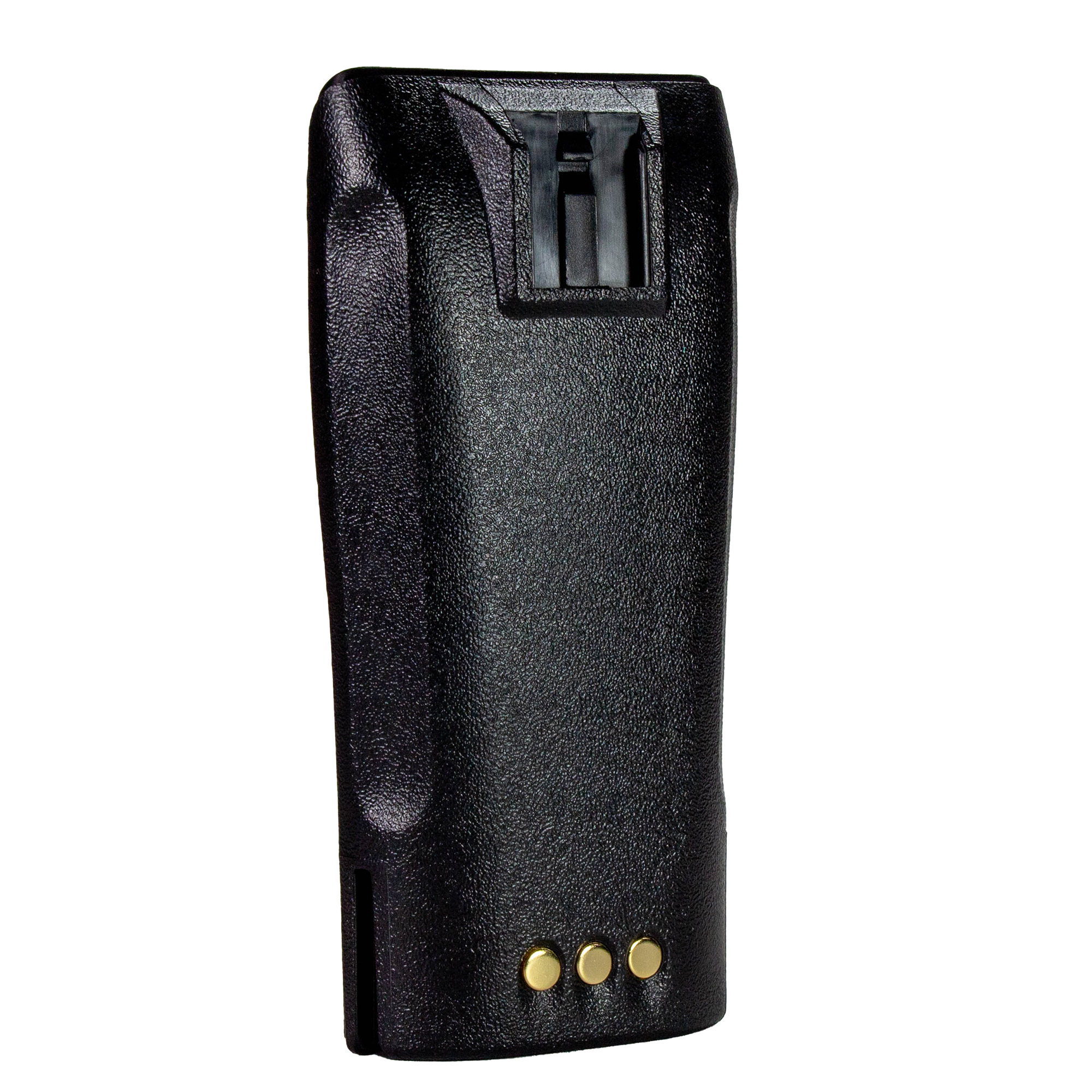
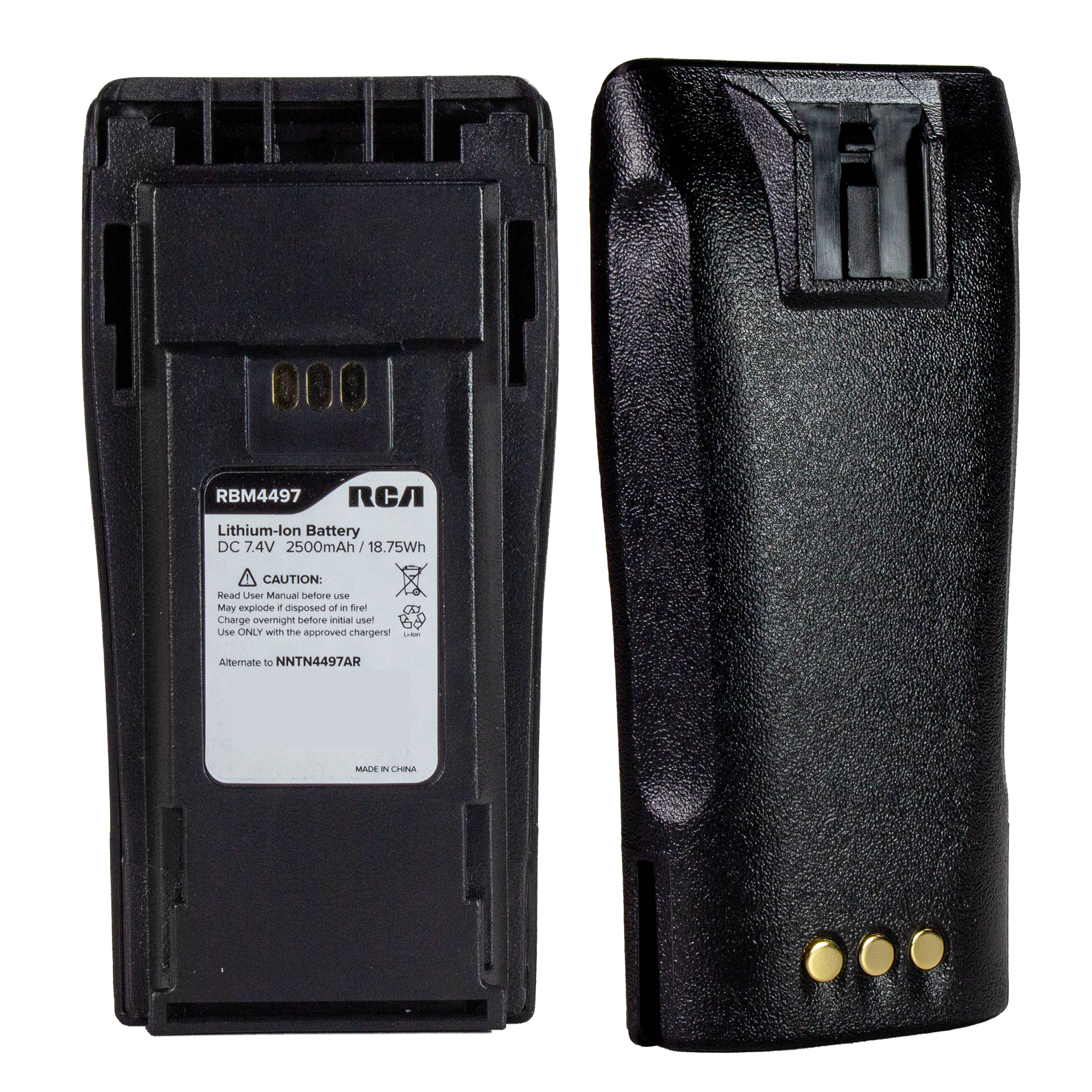
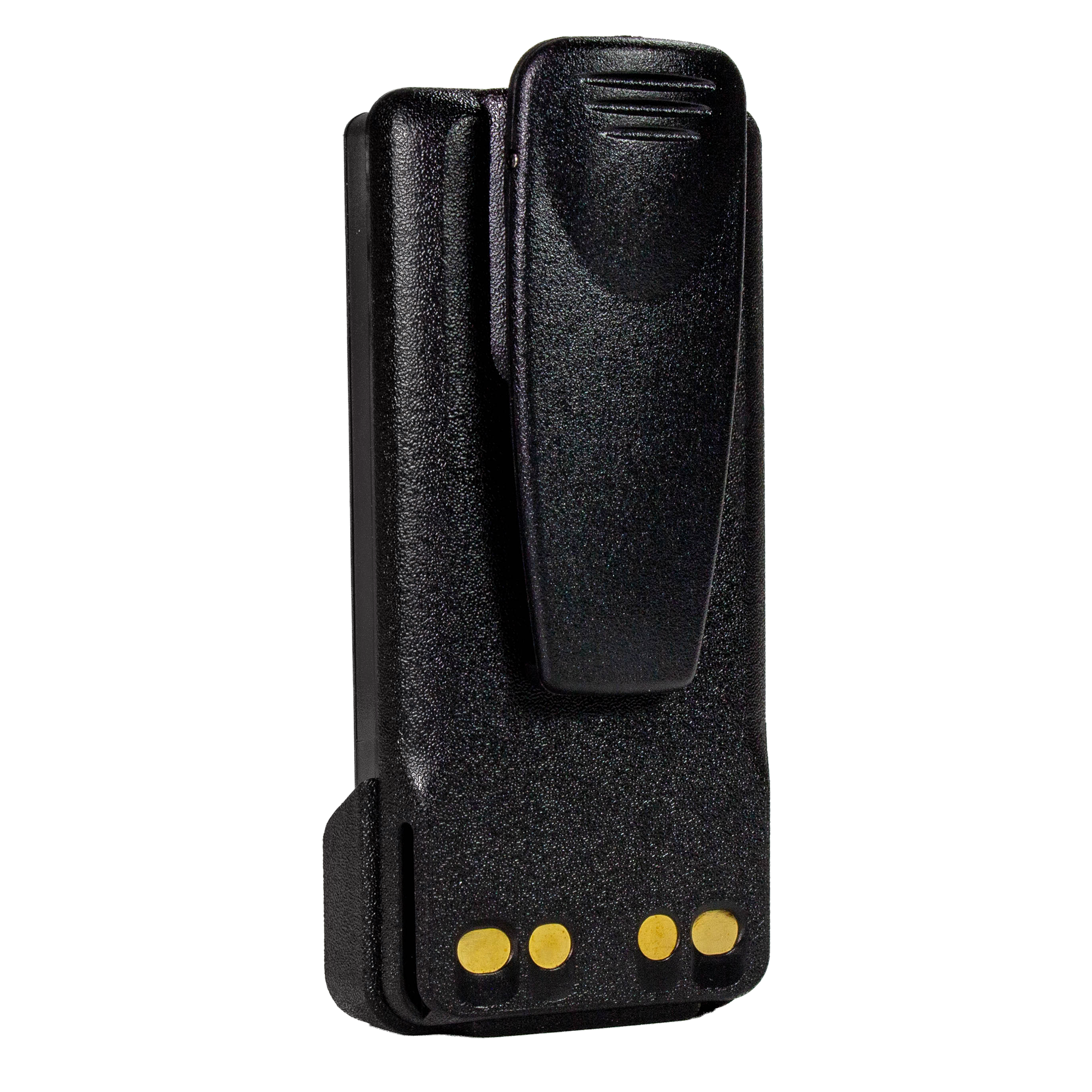
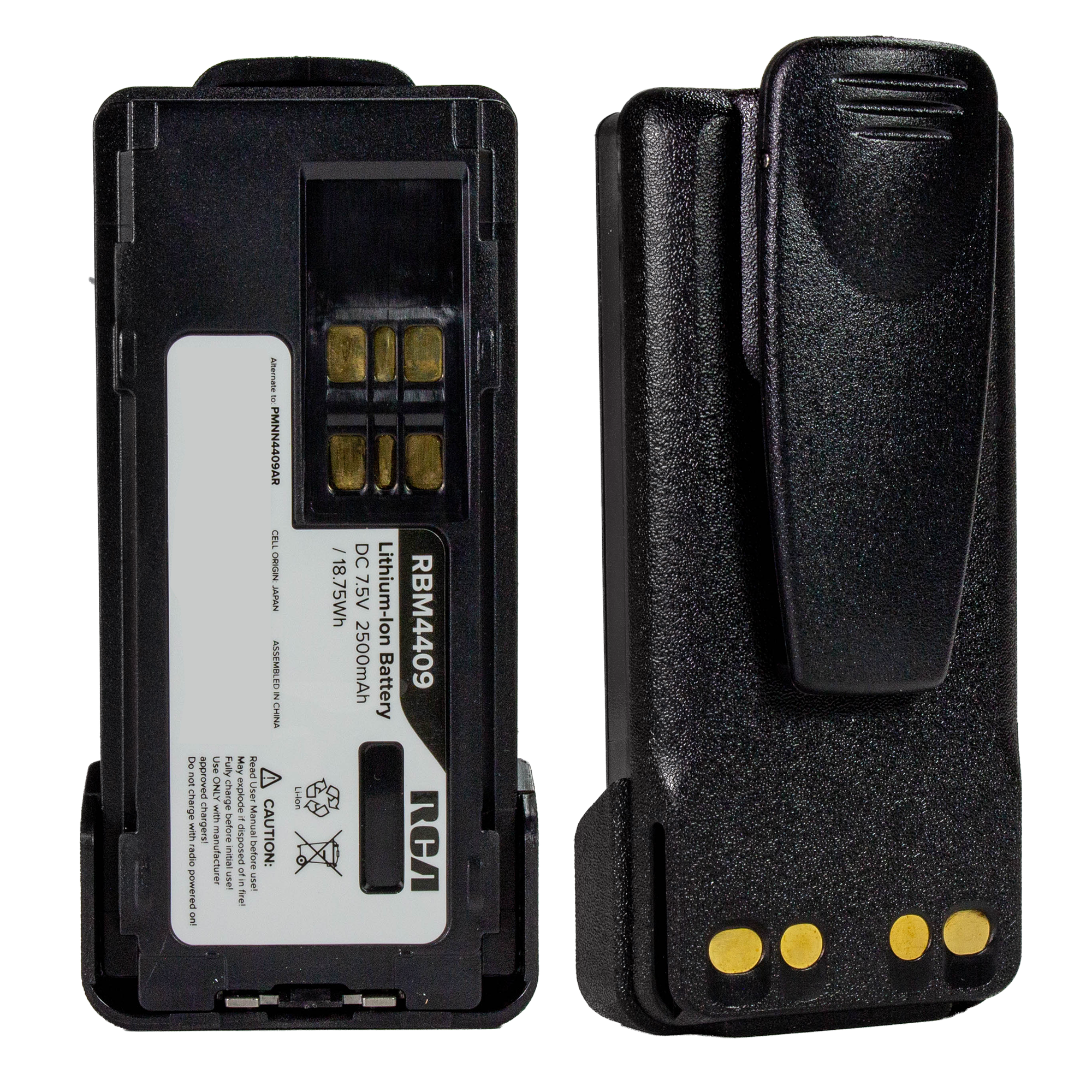
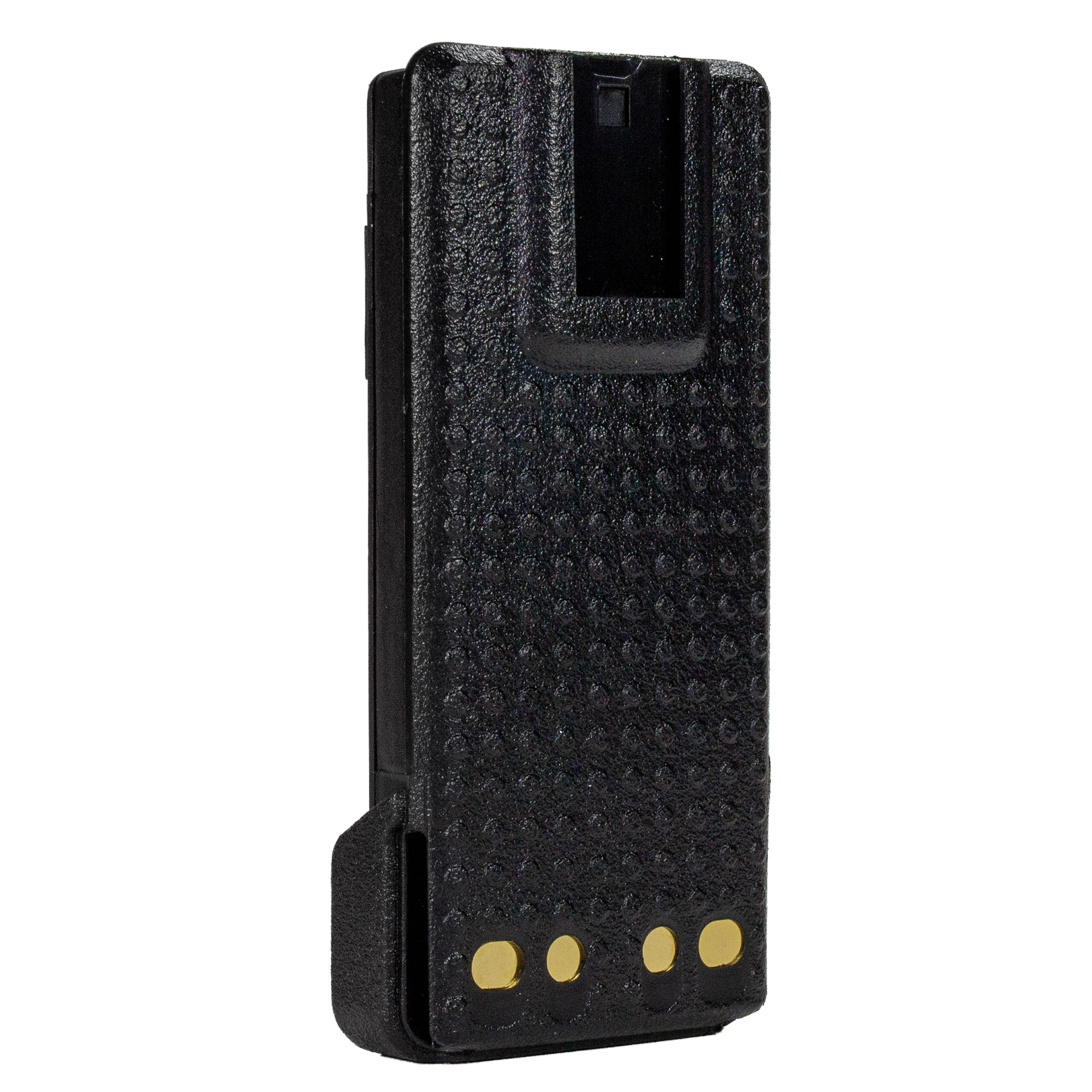
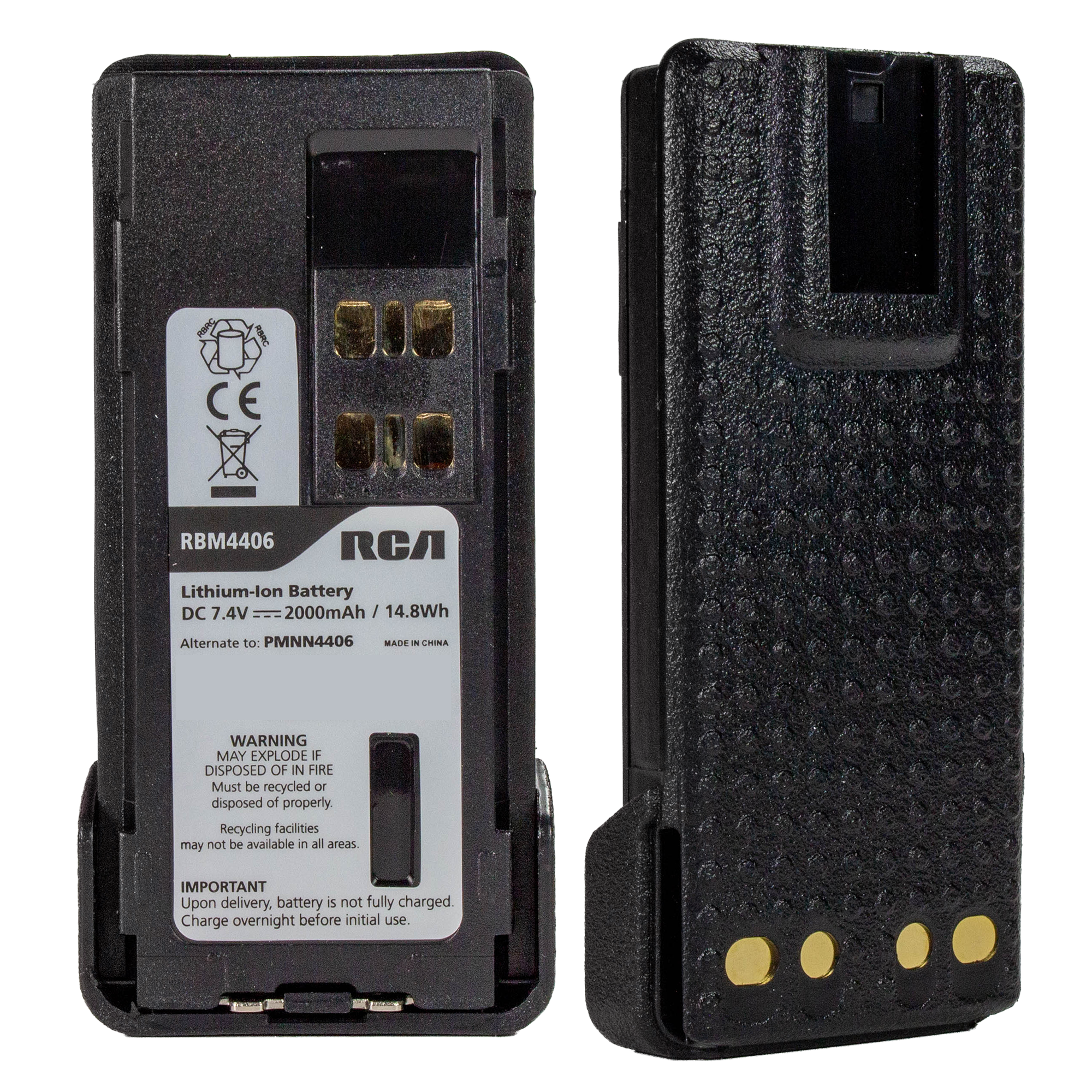
A Motorola radio is only as good as the accessories supporting it. Batteries lose capacity over time, chargers wear out, and speaker microphones take a beating in the field. Keeping a supply of fresh replacement batteries and backup chargers is critical for any team that depends on two way radio batteries every day. We stock OEM and compatible replacement batteries for the CP200d, XPR 3000 and 7000 series, APX series, BPR40, and many other Motorola models. We also carry single and multi-unit chargers, speaker microphones, surveillance kits, and holsters designed for Motorola radios. Many of our RCA accessories are cross-compatible with Motorola units, so you can often save money without downgrading quality.
How to Choose the Right Motorola Two-Way Radio
Picking the right Motorola 2-way radio comes down to a handful of practical factors. Here’s what to consider before making a purchase.
- Range: Most professional Motorola radios operate on UHF (400-470 MHz) or VHF (136-174 MHz) frequencies. UHF works better indoors and in urban areas with buildings and walls. VHF carries farther in open, outdoor settings. Your operating environment determines which band you need. Actual range depends on terrain, obstructions, antenna quality, and power output.
- Analog vs Digital: Analog radios are simpler and cheaper, but digital radios offer clearer audio at the edge of range, better battery efficiency, and features like text messaging and GPS. If you’re buying new, go digital. Models like the CP200d give you both modes during transition.
- Battery Life: Battery runtime varies by model and usage, but most professional Motorola radios deliver 10 to 14 hours on a single charge with standard-capacity batteries. High-capacity batteries can push that to 18+ hours. For long shifts, having spare batteries and a multi-unit charger is a smart investment.
- Durability: Look for radios that meet MIL-STD 810 standards and carry an IP67 or IP68 rating. This means they can handle drops, extreme temperatures, dust, and submersion in water. Most Motorola business radios meet these requirements out of the box.
- Licensing: FRS (Family Radio Service) radios don’t require a license but are limited in power and features. GMRS (General Mobile Radio Service) radios need a simple FCC license. Business-band radios, which include most professional Motorola models, require an FCC business license. If you’re not sure what applies to your situation, our team can help you figure it out.
Frequently Asked Questions
What is the best Motorola two-way radio for business?
It depends on the size and complexity of your operation. For small teams, the CP200d is hard to beat. It’s affordable, dual-mode (analog/digital), and easy to program. Larger operations with more advanced needs typically gravitate toward the XPR 7550e, which adds GPS, Bluetooth, and a color display. Public safety agencies need the APX series for P25 compliance and encryption.
How far do Motorola two-way radios reach?
Range varies widely based on frequency band, power output, antenna type, and terrain. A typical 4-watt UHF Motorola radio may reach 1 to 3 miles in urban settings with buildings, or up to 6+ miles in flat, open terrain. Adding a repeater to your system can extend coverage significantly.
Are Motorola two-way radios compatible with other brands?
Motorola radios that operate on standard analog frequencies can communicate with other brands set to the same frequency and signaling type. Digital interoperability is more limited. Motorola’s MOTOTRBO digital platform uses DMR, which is compatible with other DMR radios. P25 radios from Motorola will work with P25 radios from other manufacturers. Proprietary features, though, don’t carry over between brands.
How long do Motorola radio batteries last?
A standard lithium-ion Motorola radio battery typically lasts 10 to 14 hours per charge with a 5-5-90 duty cycle (5% transmit, 5% receive, 90% standby). Over time, rechargeable batteries lose capacity. Most need replacement after 18 to 24 months of daily use. We stock replacement batteries for all major Motorola models.
Do Motorola two-way radios require a license?
FRS-only Motorola radios (like some Talkabout models) don’t need a license. GMRS radios require a simple $35 FCC license that covers your entire family for 10 years. Business-band Motorola radios (CP200d, XPR series, APX series, etc.) require an FCC Part 90 business license. Discount Two-Way Radio can help point you in the right direction for licensing if you’re not sure where to start.
What is the difference between Motorola FRS and GMRS radios?
FRS radios are limited to 2 watts of power on most channels and use fixed antennas. They’re license-free and designed for casual, short-range use. GMRS radios can transmit at up to 50 watts (with a mobile unit), use detachable antennas, and access repeater channels for extended range. GMRS requires an FCC license. Business users who need more range and flexibility should consider GMRS or, better yet, a professional two-way radio on licensed business frequencies.
Can I get Motorola radio repairs?
Yes. Discount Two-Way Radio offers Motorola radio repair services with free shipping both ways. We repair all Motorola models with flat-rate pricing and fast turnaround times. If your radios need service, send them in and we’ll get them back to you quickly.